August 17, 2026
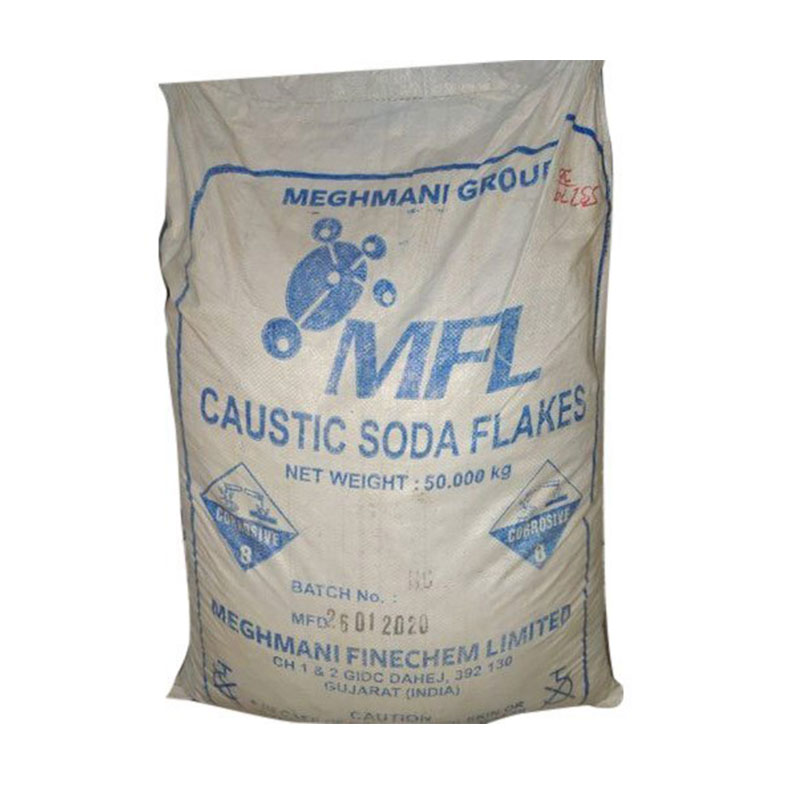
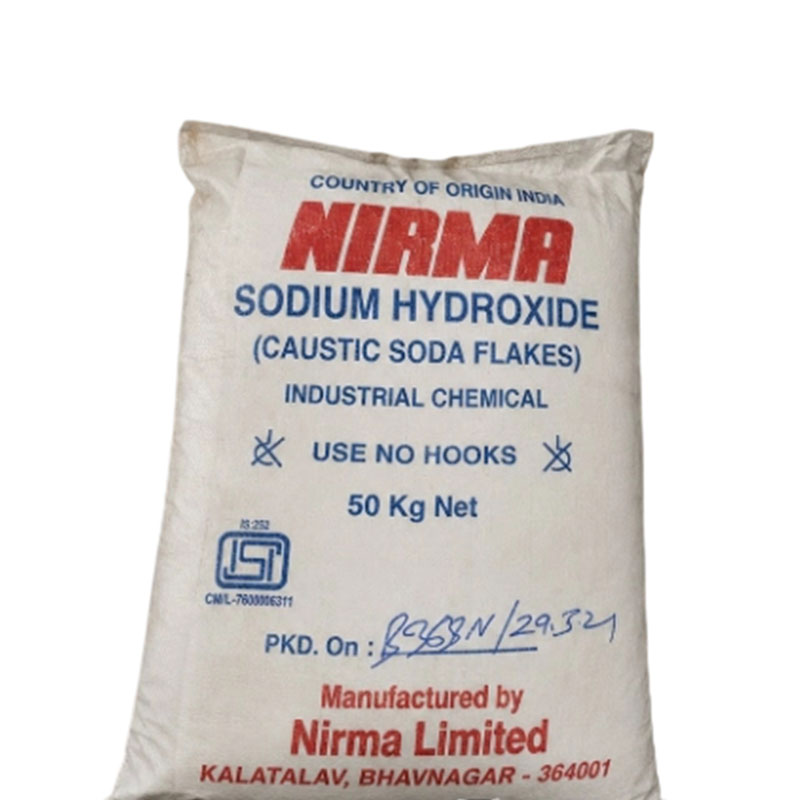
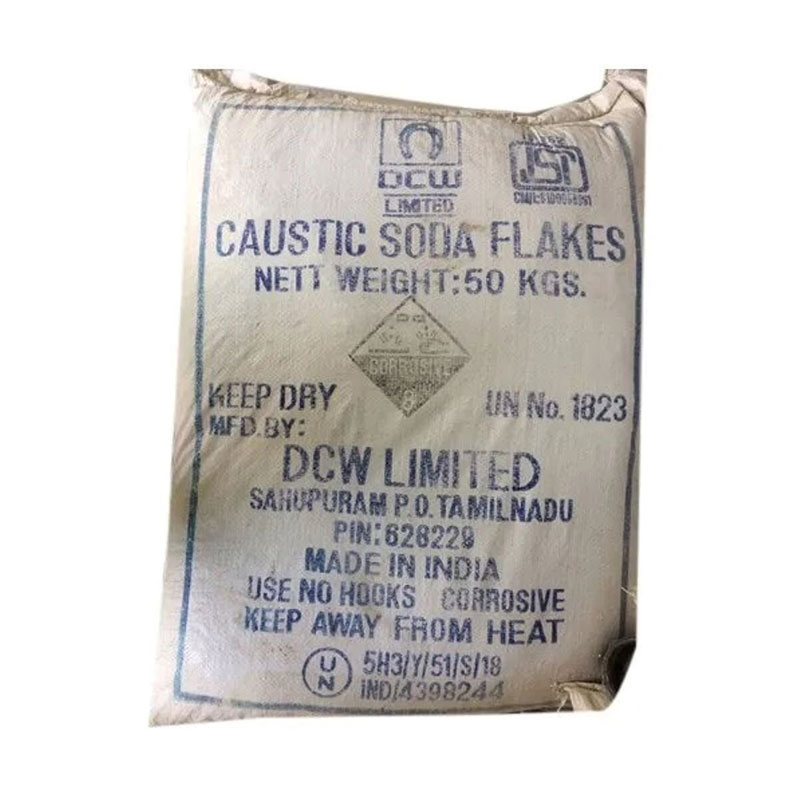
Caustic soda, also known as sodium hydroxide, is one of the most essential and widely used bulk industrial chemicals across global manufacturing sectors. It serves as a core raw material for pulp and paper production, alumina refining, industrial water treatment, textile processing, organic and inorganic chemical synthesis, and multiple downstream industrial processes. For global industrial buyers and procurement teams, choosing between BASF-origin caustic soda and Chinese manufactured caustic soda is a common decision based on quality consistency, technical performance, cost efficiency, and application adaptability. This blog delivers a fully objective, fact-based comparison of the two product sources, covering production foundations, quality specifications, market pricing, and applicable industrial scenarios without subjective brand bias.BASF SE, headquartered in Ludwigshafen, Germany, is a leading global chemical manufacturer and a key chlor-alkali producer in Europe. The company’s caustic soda production is mainly distributed at its integrated European production sites, operating with advanced membrane electrolysis technology. Caustic soda is produced as a co-product with chlorine through tightly controlled, large-scale integrated production systems, ensuring stable raw material supply, efficient energy utilization, and standardized production workflows. BASF’s mainstream caustic soda offerings focus on liquid solutions, including 25% and 50% concentration industrial grades. The brand also provides differentiated low carbon footprint caustic soda products with verified and standardized carbon emission data, catering to the growing global demand for sustainable industrial raw materials. Solid caustic soda flakes and pearls are not core export products in BASF’s global product portfolio.China ranks as the world’s largest producer and exporter of caustic soda, owning massive, mature chlor-alkali industrial chains and abundant production capacity. The country’s leading professional caustic soda manufacturers operate modern membrane electrolysis production lines with standardized and large-scale production capabilities. Chinese caustic soda product lines cover comprehensive specifications, including 32%, 48% and 50% liquid caustic soda, as well as high-purity 98% to 99% solid caustic soda flakes and pearls. All industrial-grade products comply with unified national industrial manufacturing standards, and export-grade products can meet universal international industrial inspection requirements. Chinese caustic soda supplies dominate global bulk industrial markets, with large export volumes covering Southeast Asia, South Asia, the Middle East and other emerging industrial regions.Both BASF and high-quality Chinese export-grade caustic soda adopt mature membrane electrolysis production technology, which effectively controls conventional impurities and meets the basic quality requirements of most industrial scenarios. The core differences between the two lie in precision quality control, sustainable product attributes, batch stability and product form diversity.BASF liquid caustic soda features ultra-stable batch-to-batch consistency and strict impurity control standards for heavy metals, soluble salts and other trace contaminants. Its production and quality inspection systems are tailored for high-precision industrial scenarios, especially fine chemical synthesis and high-standard industrial manufacturing processes that require extremely low impurity content. All BASF caustic soda products are equipped with complete, standardized global compliance documents and full technical traceability. The brand’s exclusive low-carbon series provides standardized, verifiable carbon footprint data, supporting global enterprises to complete sustainable production and emission assessment targets. Such standardized sustainability documentation and ultra-precise impurity control form BASF’s core quality advantages.Premium export-grade Chinese caustic soda fully meets international industrial application standards. Qualified Chinese 50% liquid caustic soda maintains stable core component content and controllable trace impurities, with indicators matching mainstream global industrial grades. Top-tier Chinese manufacturers achieve consistent batch quality through automated production lines and standardized quality inspection systems, delivering reliable performance for most conventional industrial scenarios. A prominent advantage of Chinese caustic soda lies in its rich product form coverage, including high-quality solid flakes and pearls that are not the mainstream export products of European brands. It is worth noting that product quality varies slightly among different Chinese manufacturers; large-scale leading enterprises maintain top-level stability, while small-scale manufacturers show relatively obvious quality fluctuations.Caustic soda market prices are highly cyclical, fluctuating with regional energy costs, production equipment maintenance cycles, market supply and demand relationships, international freight rates and exchange rate changes. All price information in this analysis is based on real-time global open market reference data, for market research reference only, and does not constitute any formal trade quotation.BASF-origin European caustic soda maintains a relatively high market premium. The higher pricing is driven by multiple factors, including high regional electricity and energy costs in Europe, strict production environmental standards, complete product certification and compliance costs, and additional value of low-carbon product attributes. When exported to overseas markets, long-distance ocean freight further increases its comprehensive landing cost. Its low-carbon certified grades carry higher added value and premium pricing compared with conventional industrial-grade products.Chinese caustic soda holds prominent cost advantages in the global market. Benefiting from large-scale intensive production, stable and cost-effective energy supply, and mature industrial supporting systems, Chinese manufacturers maintain low unit production costs. In the global export market, the price of Chinese 50% liquid caustic soda fluctuates moderately with market changes, maintaining a competitive edge in bulk procurement scenarios. Solid caustic soda flakes and pearls from China also have obvious cost-performance advantages in global trade, becoming the preferred choice for cost-sensitive large-volume industrial procurement. Due to sufficient market supply, Chinese caustic soda prices show flexible adjustability according to order volume, delivery cycle and long-term cooperation contracts.It is critical for buyers to unify product concentration, physical form, industrial grade and delivery terms during price comparison. Direct price comparison between liquid European caustic soda and solid Chinese caustic soda will lead to inaccurate evaluation results.BASF caustic soda is best suited for high-standard, high-precision industrial scenarios and sustainable production projects. It is widely applied in fine chemical synthesis, high-purity material processing, European local industrial production, and projects requiring complete product traceability, global compliance certification and verified carbon footprint data. For multinational enterprises that need to complete scope 3 emission accounting and sustainable supply chain assessment, BASF’s low-carbon caustic soda products provide irreplaceable document support and quality guarantee.High-grade Chinese export caustic soda is the optimal choice for large-scale bulk industrial production. It is extensively used in alumina refining, pulp and paper manufacturing, industrial water pH adjustment, textile finishing, conventional inorganic chemical production and other general industrial scenarios. With excellent cost performance and stable conventional industrial quality, it perfectly meets the mass production demands of emerging markets and cost-controlled industrial projects. For procurement, selecting large-scale and reputable Chinese manufacturers and clarifying inspection standards in advance can fully guarantee product stability and qualification rate.There is no absolute superiority between BASF and Chinese caustic soda, as the optimal choice depends entirely on the actual demands of production and procurement scenarios.BASF’s core strengths lie in ultra-stable high-precision quality control, complete global compliance certification, verifiable low-carbon product attributes and full technical traceability, making it suitable for high-end and sustainable industrial scenarios. The brand lacks advantages in solid caustic soda product diversity and cost performance.Top-tier Chinese export-grade caustic soda reaches international industrial quality standards, with rich product specifications and significant cost advantages, fully meeting the demands of most bulk industrial production. The only limitation is the uneven quality level among different manufacturers, requiring targeted screening during procurement.For all industrial buyers, standardizing product specifications, quality inspection standards and technical document requirements in procurement contracts is the key to stable raw material supply, regardless of supplier origin.